Understanding the Mechanics of Audio Source Separation
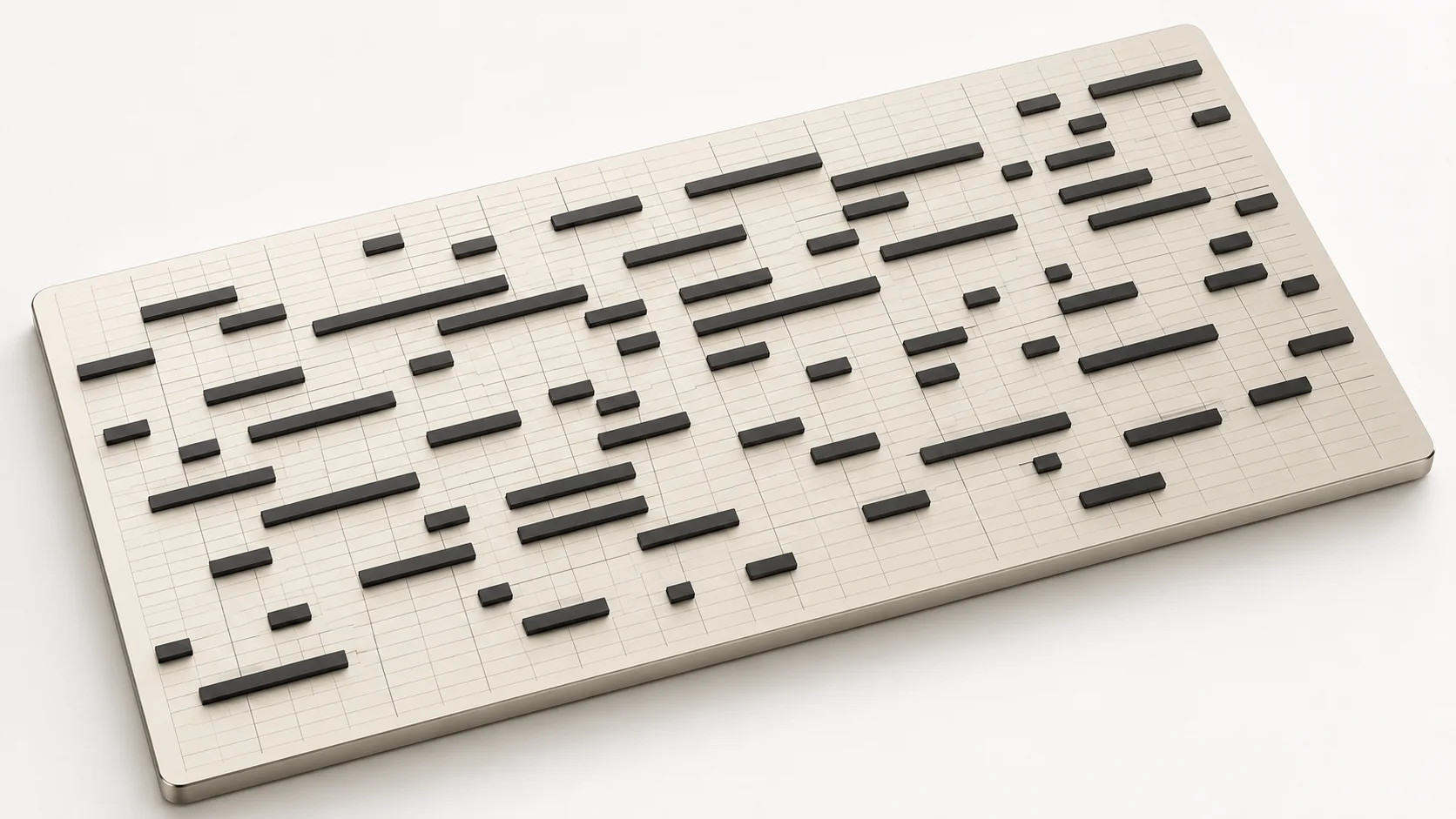
Source separation is the mathematical challenge of isolating instrument tracks from a single composite stereo mix. In an exported song, frequency energy from vocals, guitars, bass, and drums blends into unified waveform peaks. An online Stem Splitter uses deep neural networks trained to recognize visual patterns in audio spectrograms—graphs representing time, frequency, and acoustic energy. By analyzing harmonic overtones, pitch contours, and transient spikes, the network constructs spectral masks that suppress competing instruments while preserving target elements, dividing the stereo mix into separate stems.
Because audio mixing is inherently destructive, decomposing rendered audio involves statistical approximations rather than flawless physical recovery. SampLab Pro operates as an independent web tool and maintains no affiliation with the discontinued Samplab VST or samplab.com, nor does it partner with ByteDance or Volcengine. Due to overlapping frequencies, SampLab Pro provides no guaranteed isolation quality and does not promise studio-grade stems. Dense arrangements and heavy reverberation naturally produce audible bleed or phase artifacts in the output. Users are also reminded that separating audio confers no copyright clearance, and users must hold all rights for music uploaded to the Stem Splitter.